Decoding AI: Machine Learning for Kids
A hands-on introduction to artificial intelligence and machine learning. Through interactive lessons and real-world problem solving, kids learn what AI is, how machine learning works, and how to use AI responsibly. Prompting is only a small part of it — understanding the logic behind AI and how to innovate with it matters far more for the future.
Enroll in This Courseper class
after school bell

Who Is This For?
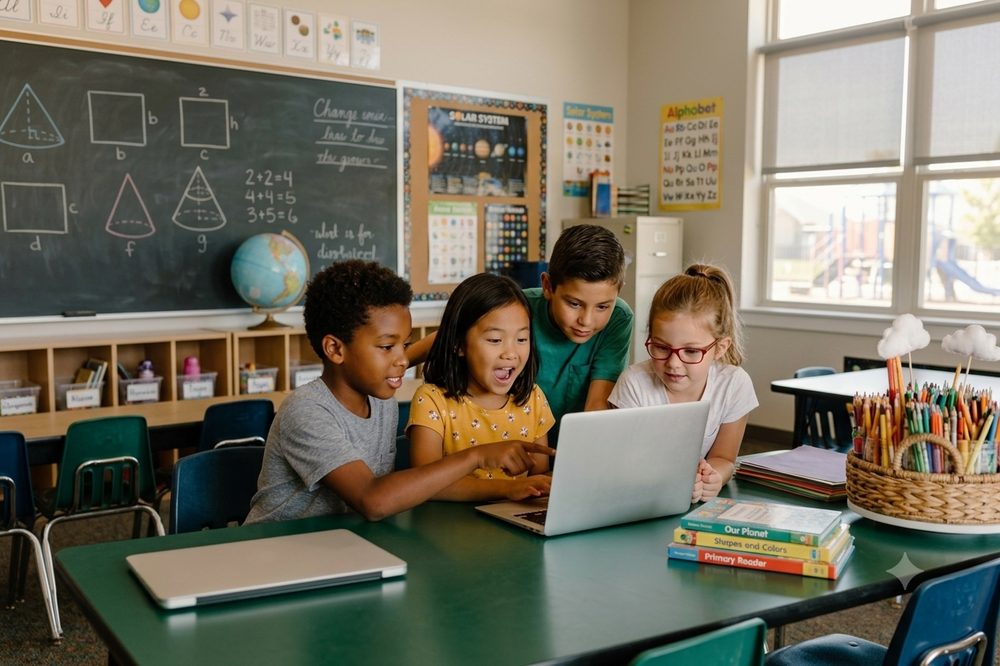
This course is designed for curious 4th–5th graders who are interested in learning more about technology and innovation. No coding experience or prior knowledge of AI is required.
Curious Minds
They aren't satisfied with "the computer just knows." This is the class where they finally get a real answer, and get to build the thing themselves.
Future-Ready Learners
They'll be a generation to learn and choose a career around AI. Understanding how the tools think is a different skill from using them.
Builders & Problem-Solvers
They like building things: games, stories, inventions. They'll finish the year having trained a working model and designed a game around its logic — learning how to break down ambiguous problems into logical steps.
What Will My Child Learn?
By the end of this course, students will be able to:
- Explain what AI actually is and how it works.
- Use AI responsibly as a tool.
- Guide AI conversations and flag incorrect information, under supervision.
- Understand how machines learn and process information through data and patterns.
- Train a simple classifier and explain why it predicts what it predicts.
- Build their own simple AI tools.
- Apply their knowledge of machine learning in daily life to boost problem-solving and creativity.
How we use AI tools in class
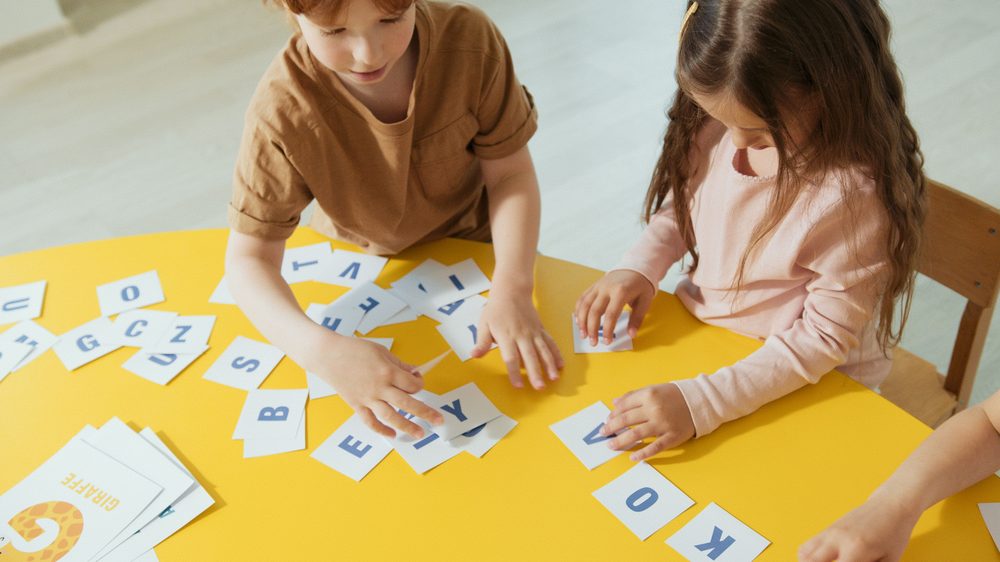
What the students use directly are tools built for classrooms and appropriate for this age: browser-based training tools that run on the device, drawing and pattern games, and our own unplugged activities with cards, paper and physical models. Most of this course happens away from a screen.
When we look at a general-purpose AI tool, the instructor drives on one shared screen. Students decide what to ask, watch what comes back, and critique it together.
Nothing personal goes in. No student names, photos, schoolwork or personal details are entered into any AI tool. The data students collect and train on is classroom data — favorite snacks, shoe colors, that kind of thing.
You'll get the full list of tools we use before the class starts, and we'll ask students to bring their own device for some lessons.